
Post-Prostatectomy Recovery: What to Expect in the First Year
Radical prostatectomy is curative for most localised prostate cancers, but it almost always causes some degree of penile shortening, erectile dysfunction, and urinary changes — at least temporarily. Knowing what to expect, and when to act, makes a significant difference to long-term outcomes.
Why Length Loss Happens
After the prostate is removed, the urethra is reconnected directly to the bladder. This shortens the urethral length and, with the surrounding smooth muscle in a low-oxygen state, fibrous tissue can develop quickly. Without regular stretching and blood flow, permanent structural changes can occur within weeks. Studies consistently show a mean loss of 1–2 cm in the first months if no rehabilitation is started.
The Rehabilitation Window
The period immediately after surgery — usually the first 3–6 months — is the most important window for rehabilitation. During this time the tissue is still remodelling and responds better to intervention. The two main tools used in penile rehabilitation are:
- Phosphodiesterase-5 inhibitors (PDE5i) — low-dose nightly sildenafil or tadalafil to maintain oxygenated blood flow and support smooth muscle health.
- Penile traction therapy (PTT) — a structured daily stretching protocol to maintain length and support tissue remodelling.
Both approaches have published evidence. They are generally combined, though individual suitability should be reviewed with a clinician.
What the Data Shows for Traction Therapy
The most relevant study for UAE patients is the randomised controlled trial by Zganjar et al. (BJU International, 2023), which enrolled 82 men after radical prostatectomy over five months.
+1.6 cm
Gained in stretched penile length (RestoreX group)
0
Serious device-related adverse events reported
82
Men enrolled in the RCT (BJU International, 2023)
These are the only published randomised data for RestoreX in the post-prostatectomy setting. A 1.6 cm preservation of stretched length is clinically meaningful when the goal is to retain as much function as possible.
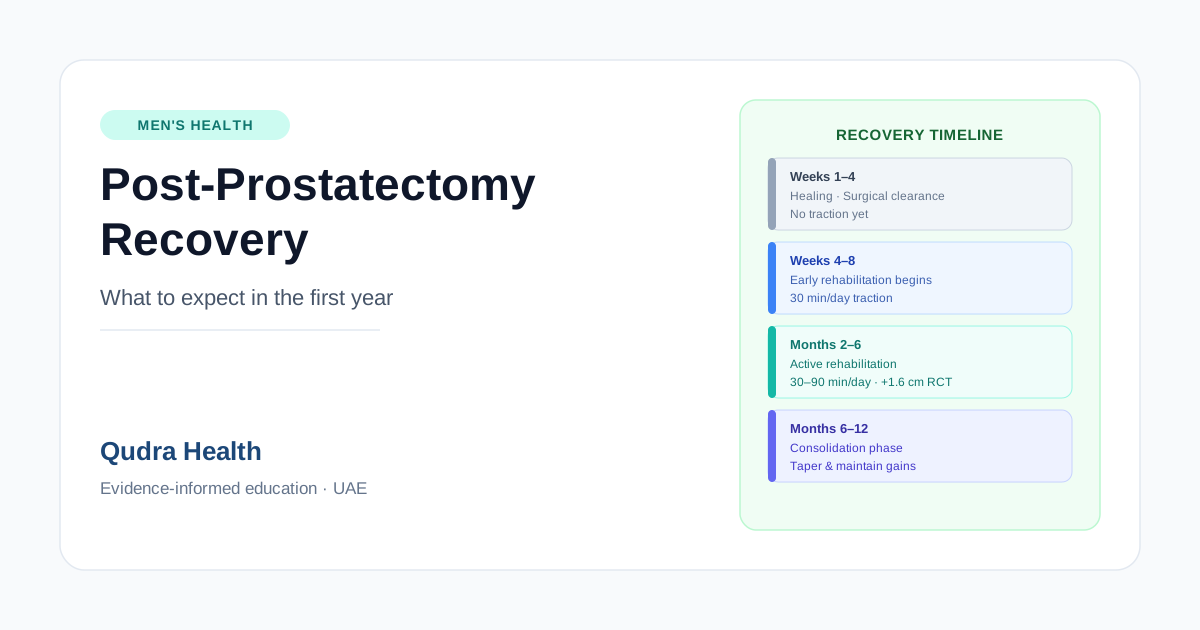
When to Start and What to Expect Month by Month
Focus is on wound healing, urinary continence, and following your surgeon’s instructions. Traction is not started during this phase. Oral PDE5i may be initiated based on your urologist’s protocol.
If your surgeon confirms wound healing, traction therapy can typically begin. Start with shorter daily sessions (30 minutes) and follow the device setup instructions carefully.
The most impactful period. Consistent daily use (30–90 min/day) alongside any prescribed oral medication gives the best opportunity to preserve length and support tissue health.
Erectile function, if nerve-sparing surgery was performed, often continues to improve gradually. Traction use can be tapered based on clinical progress. Many men continue occasional use beyond 12 months to maintain gains.
Erectile Function Recovery
Erectile function recovery is separate from length preservation, though they are related. Return of spontaneous erections depends heavily on whether nerve-sparing was feasible, the patient's age, baseline function, and adherence to PDE5i therapy. Most nerve-sparing candidates see gradual improvement from 3 months onwards, with recovery often still progressing at 24 months.
A vacuum erection device (VED) is sometimes used alongside traction in this phase to support blood flow. Your urologist or men's health specialist can advise on the combination that fits your situation.
Practical Considerations for UAE Patients
Most men in the UAE who have undergone prostatectomy do so at SKMC, Cleveland Clinic Abu Dhabi, or private facilities. Follow-up care focused on penile rehabilitation is often not systematically offered — men need to ask for it proactively. If you are not already enrolled in a structured rehabilitation programme, discuss it with your urologist or contact a men's health specialist independently.
Starting Penile Rehabilitation in the UAE
Qudra Health offers RestoreX — the only traction device with published RCT data in the post-prostatectomy setting — along with private guidance on setup and timing. If you are recently post-surgery or approaching the 6-month mark without rehabilitation, now is a good time to start.
Key Takeaways
- Penile length loss after prostatectomy is common but largely preventable with early rehabilitation.
- The 4–12 week post-operative window is critical — rehabilitation is most effective when started early.
- RestoreX has RCT evidence (+1.6 cm vs controls) specifically in post-prostatectomy patients.
- Traction therapy and PDE5i are complementary, not alternatives.
- Ask your urologist about penile rehabilitation at your first post-operative review if it is not offered proactively.
Medical Disclaimer
This article is for educational purposes only and does not constitute medical advice. All treatment decisions should be made in consultation with a qualified urologist or men's health specialist.